Prism and Antiprism Nets

A prism has two identical polygons, its bases, joined by a band of four-sided faces. This page has nets for the triangular, rectangular, pentagonal and hexagonal prisms; apart from the rectangular one, their sides are squares. An antiprism also has two equal bases, but one is turned by half a side, and a zigzag band of triangles joins them: here on square, pentagonal and hexagonal bases.

Each net prints on its own A4 sheet, with glue tabs and a drawing of the assembled solid.

Part of the Cut-Out Activities collection, Last updated on Thu, 29 Oct 2026 23:45:07 GMT.

Free Printables

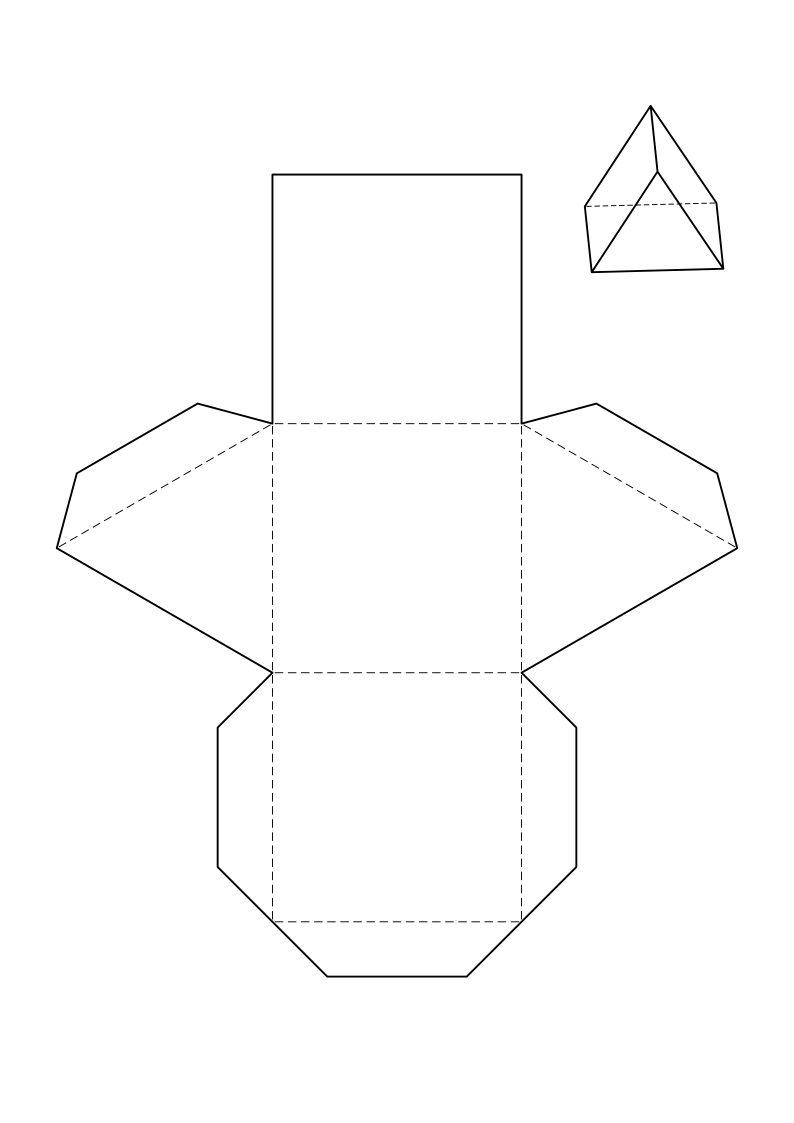
Triangular Prism Net

Triangular prism net: two triangles and three squares, shown folded in the corner.
Triangular prism net: two triangles and three squares, shown folded in the corner. | zuzuzi.com

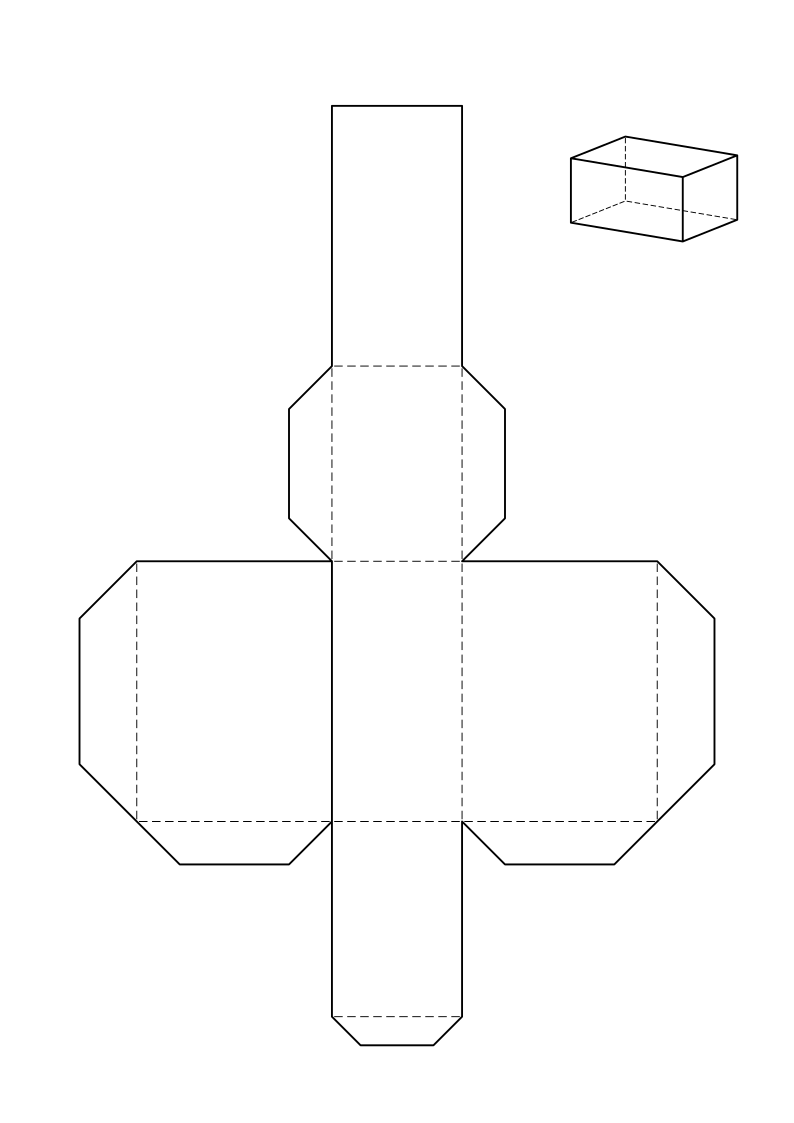
Rectangular Prism Net

Rectangular prism net: a box of six rectangles, in three pairs of matching sizes.
Rectangular prism net: a box of six rectangles, in three pairs of matching sizes. | zuzuzi.com

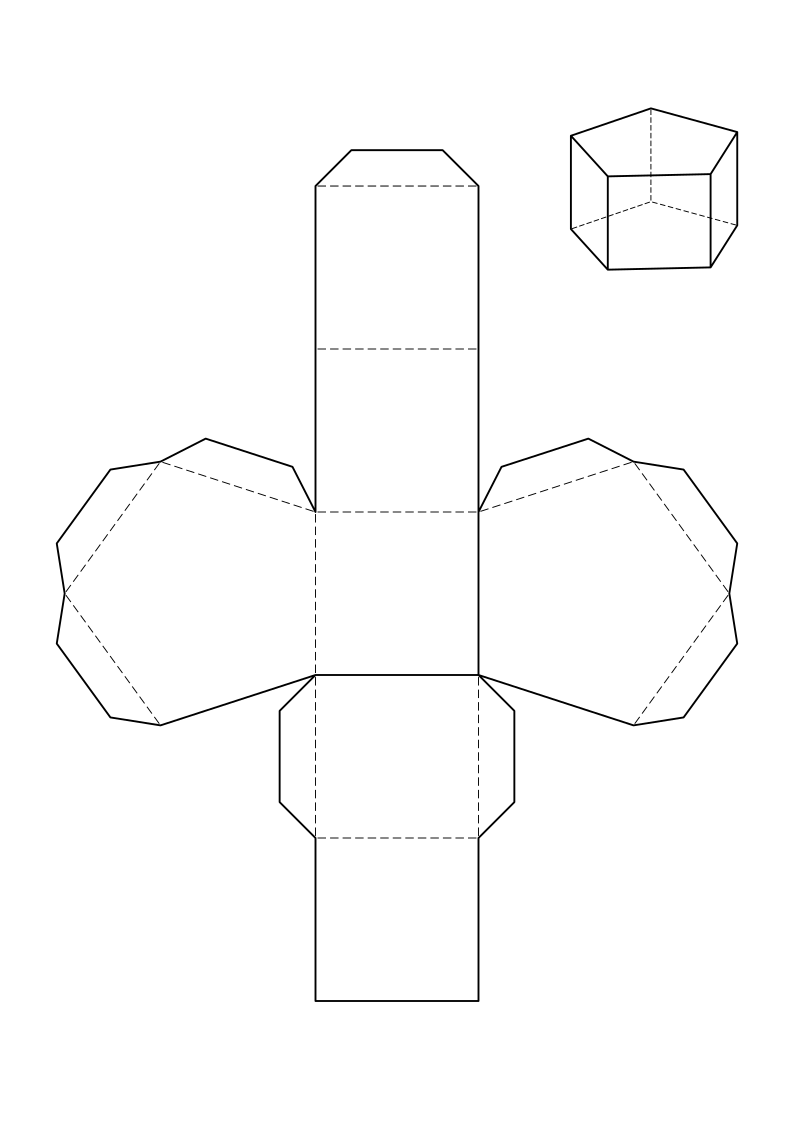
Pentagonal Prism Net

Pentagonal prism net: two pentagons joined by a ring of five squares.
Pentagonal prism net: two pentagons joined by a ring of five squares. | zuzuzi.com

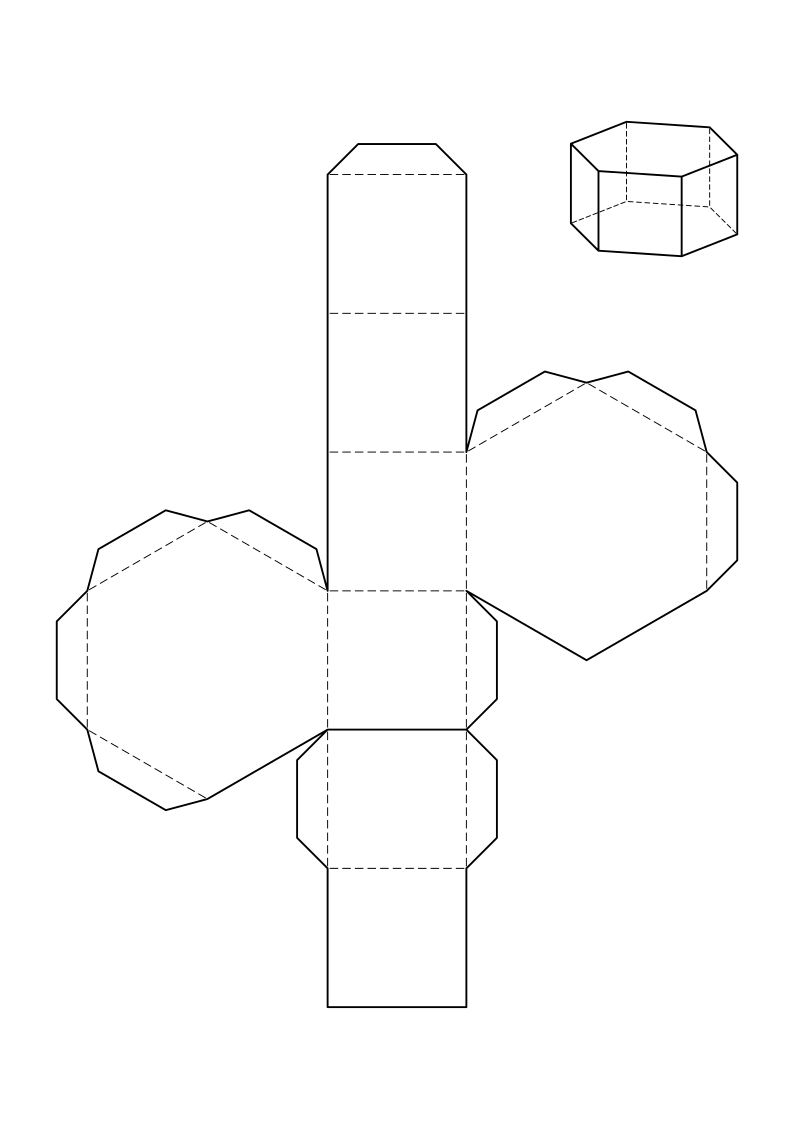
Hexagonal Prism Net

Hexagonal prism net: two hexagons and six squares, the shape of many pencils.
Hexagonal prism net: two hexagons and six squares, the shape of many pencils. | zuzuzi.com

Square Antiprism Net

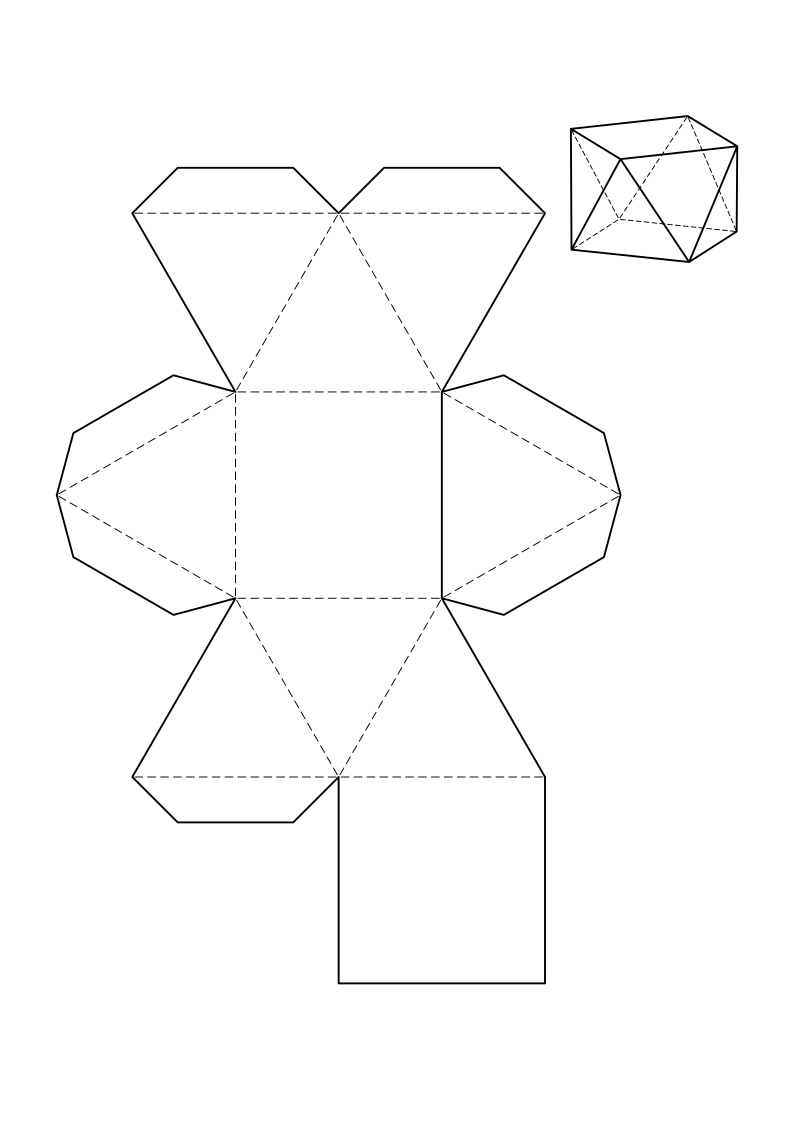
Square antiprism net: two squares, one turned against the other, linked by eight triangles.
Square antiprism net: two squares, one turned against the other, linked by eight triangles. | zuzuzi.com

Pentagonal Antiprism Net

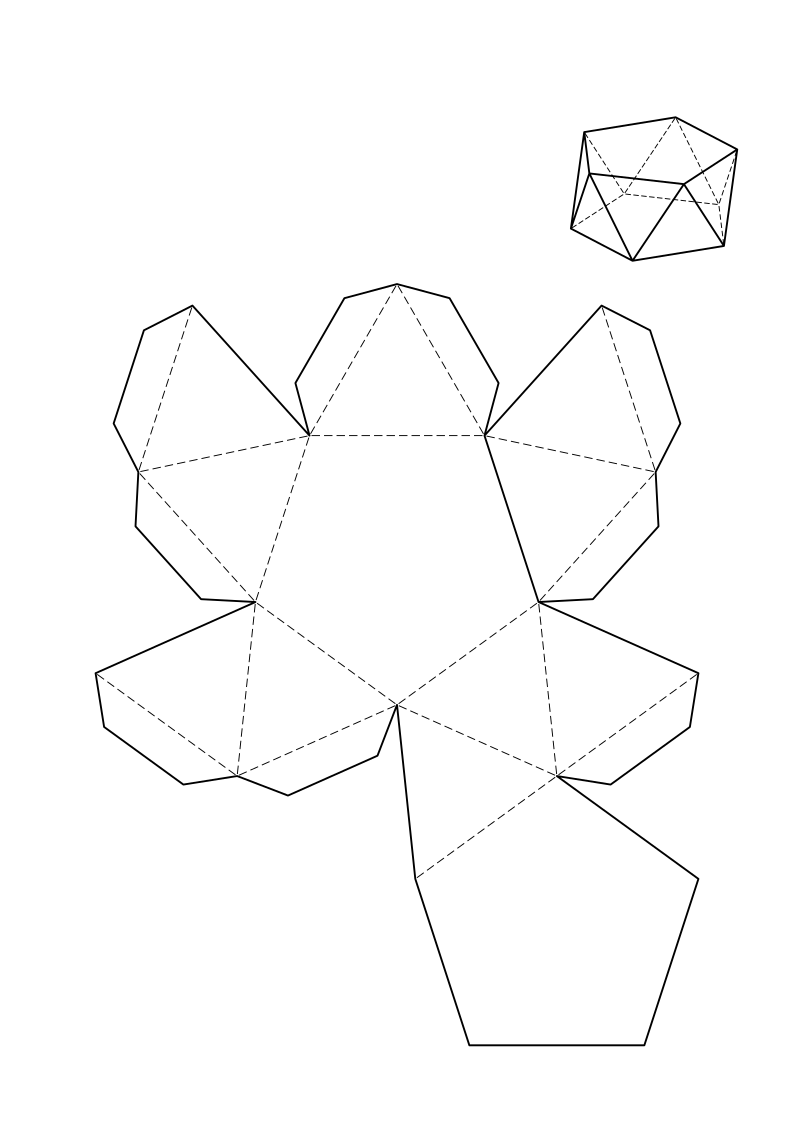
Pentagonal antiprism net: two pentagons and a zigzag band of ten triangles.
Pentagonal antiprism net: two pentagons and a zigzag band of ten triangles. | zuzuzi.com

Hexagonal Antiprism Net

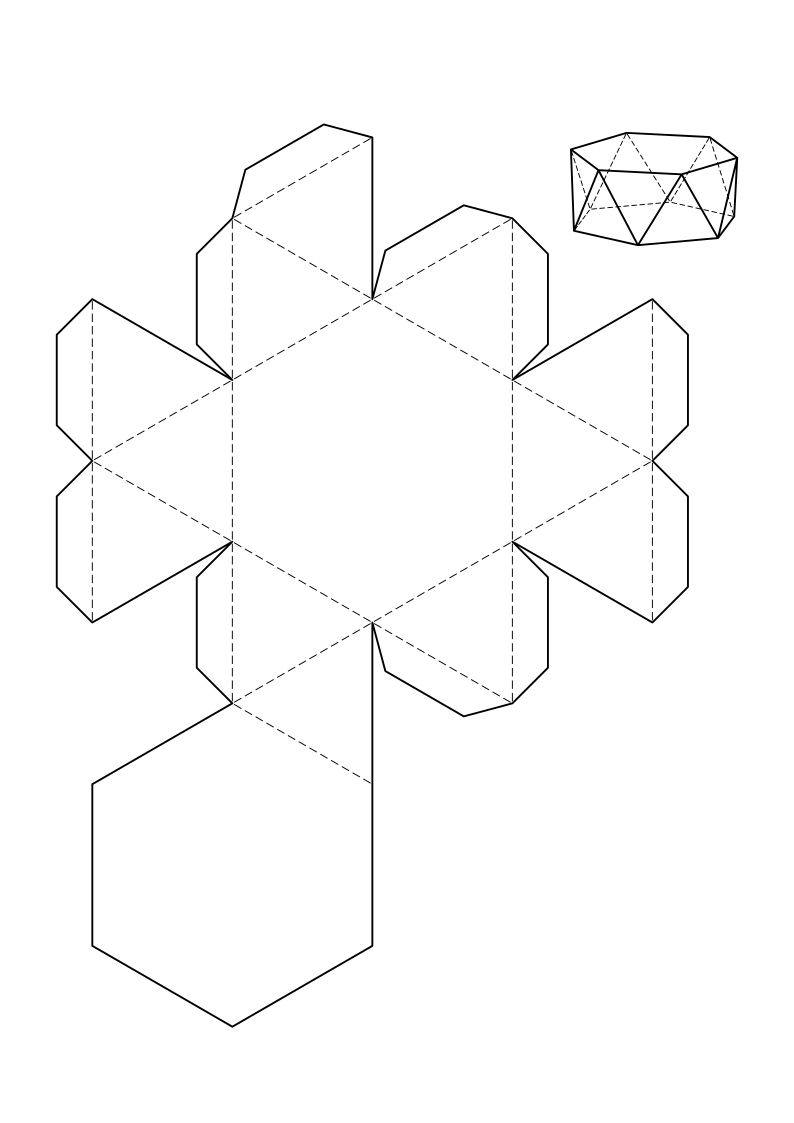
Hexagonal antiprism net: two hexagons joined by twelve triangles pointing up and down in turn.
Hexagonal antiprism net: two hexagons joined by twelve triangles pointing up and down in turn. | zuzuzi.com

Prisms All Around Us

Many everyday objects are prisms: a cereal box is a rectangular prism, some chocolate boxes are triangular prisms, and many pencils are hexagonal prisms before they are sharpened. Folding the paper versions helps children recognize these shapes and name their faces.

How an Antiprism Differs

Turn one base of a prism by half a side and the squares between the bases no longer fit: in their place comes a band of triangles, pointing up and down in turn. That zigzag band is what makes an antiprism. With two triangles as bases, the antiprism is the octahedron.

Counting Faces, Edges and Corners

A prism whose base has n sides has n + 2 faces, 3n edges and 2n corners; an antiprism has 2n + 2 faces, 4n edges and 2n corners. Checking these numbers on the folded models is good practice in geometry and in careful counting.

Frequently Asked Questions

Which of these nets is easiest to build?

The rectangular prism, a simple box, and the triangular prism fold with few faces. The antiprisms take more patience, because the band of triangles has to close evenly around both bases.

Are the sides of these prisms squares?

On the triangular, pentagonal and hexagonal prisms, yes: every edge has the same length. The rectangular prism is a box with three different edge lengths, so its faces are rectangles of three sizes, in pairs.