Cutting the Corners of a Solid
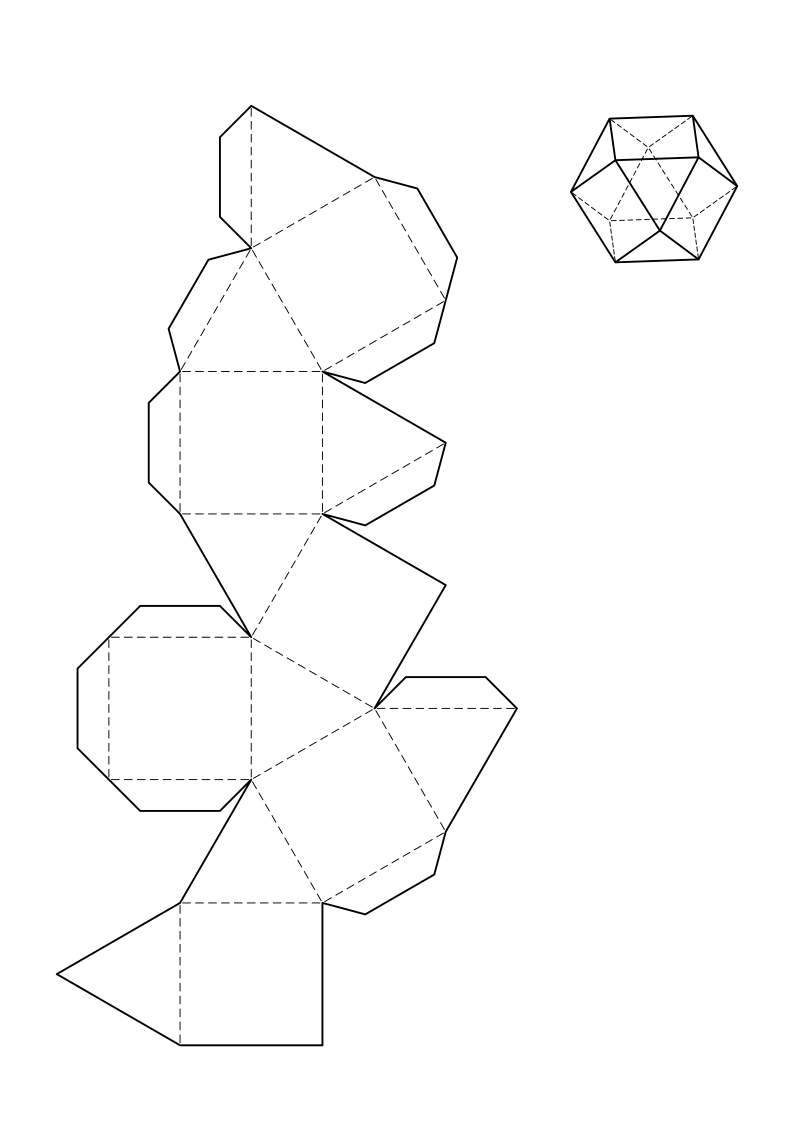
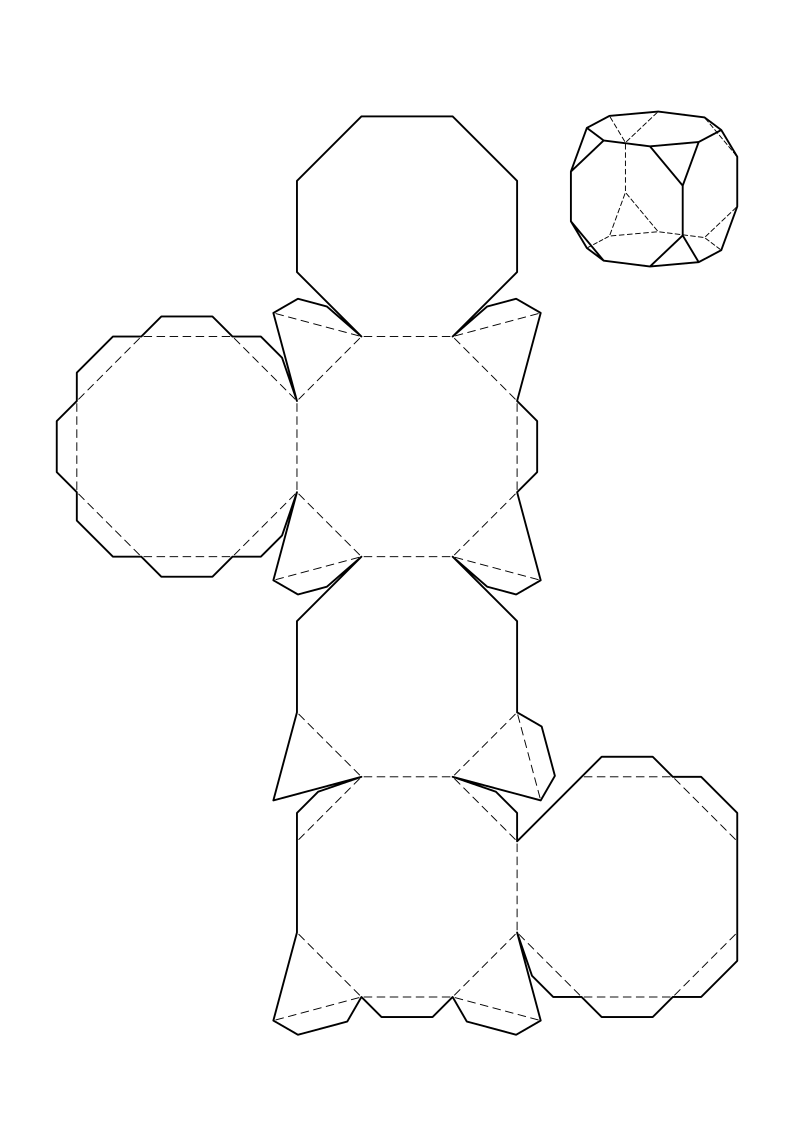
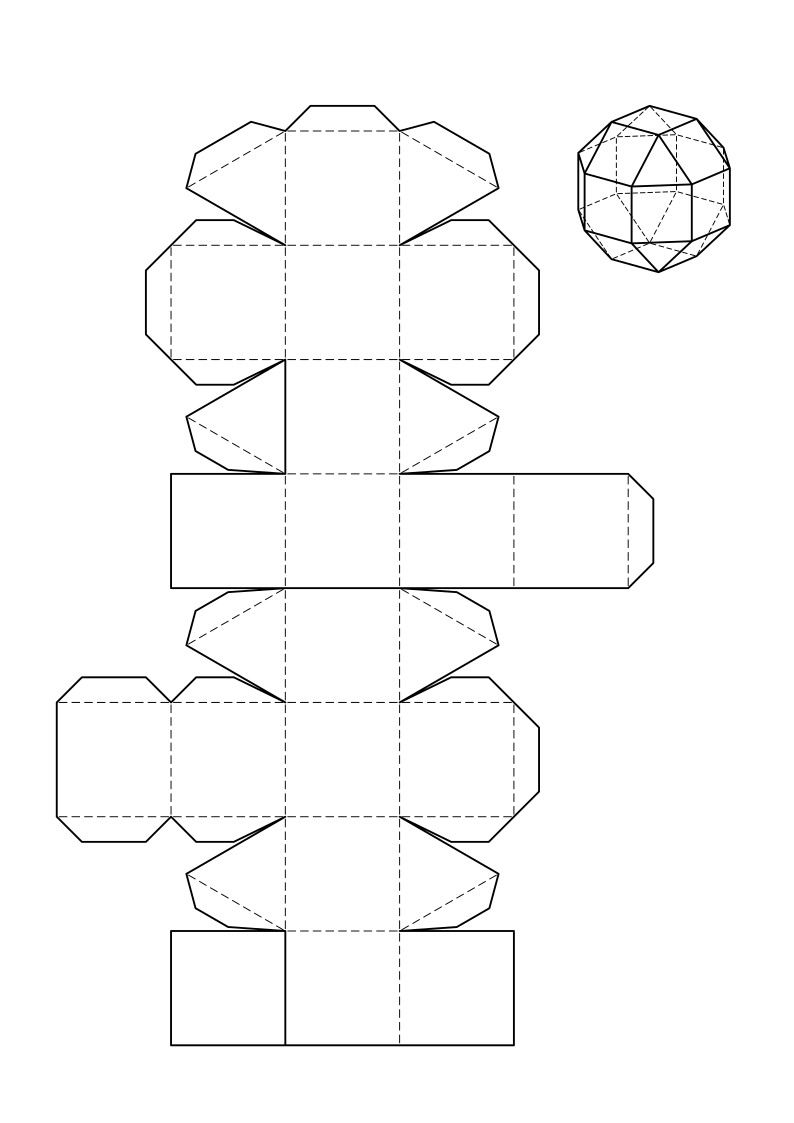
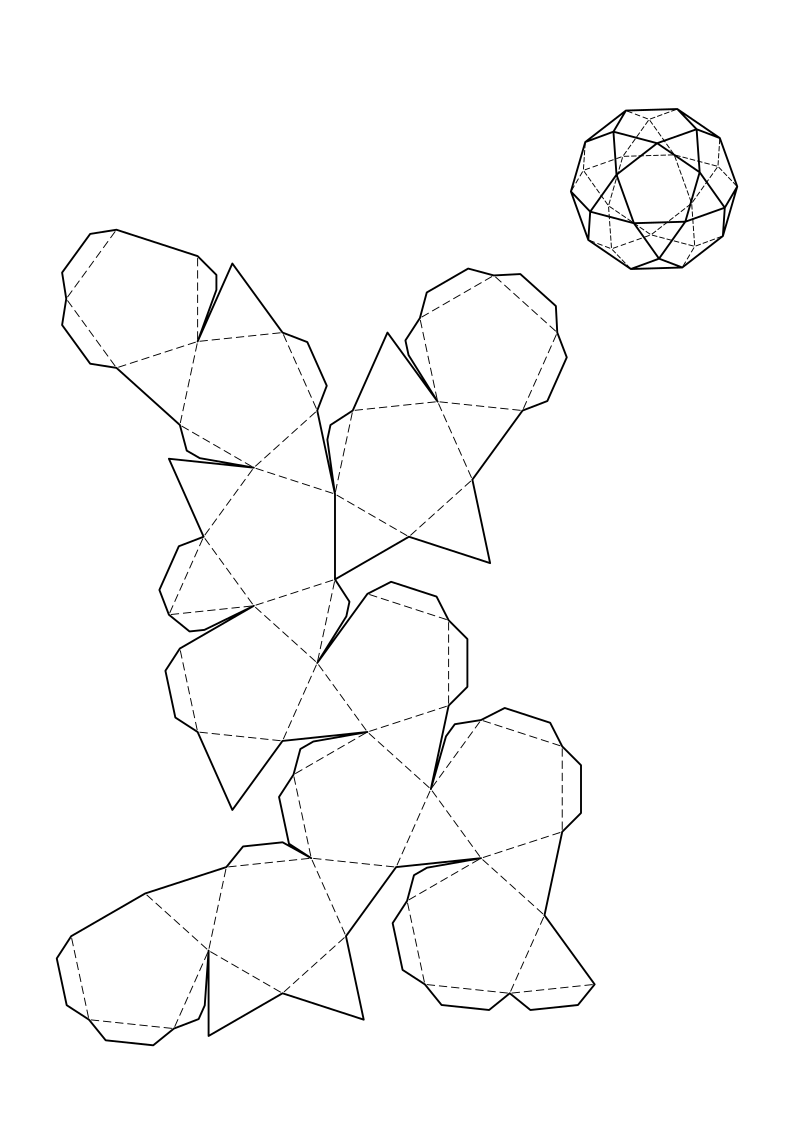
Several of these shapes come from slicing the corners off a Platonic solid. Cut the corners of a cube and each one leaves a triangle while the squares become octagons: that is the truncated cube. Cut deeper, to the middle of each edge, and you reach the cuboctahedron, with its triangles and squares.
The Soccer Ball Shape
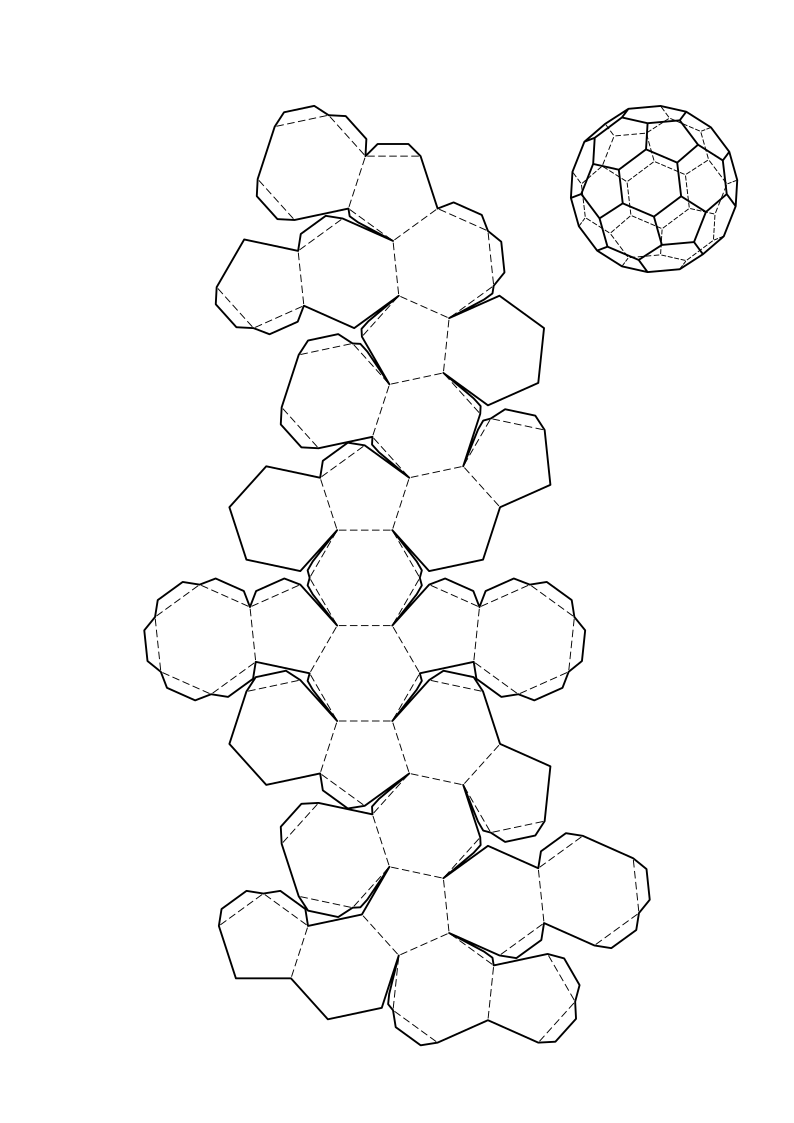
The truncated icosahedron has 12 pentagons and 20 hexagons. Sewn from leather panels and inflated into a sphere, it became the classic soccer ball pattern, and chemists found the same shape in the carbon molecule C60, named buckminsterfullerene.
A Shape That Fills Space
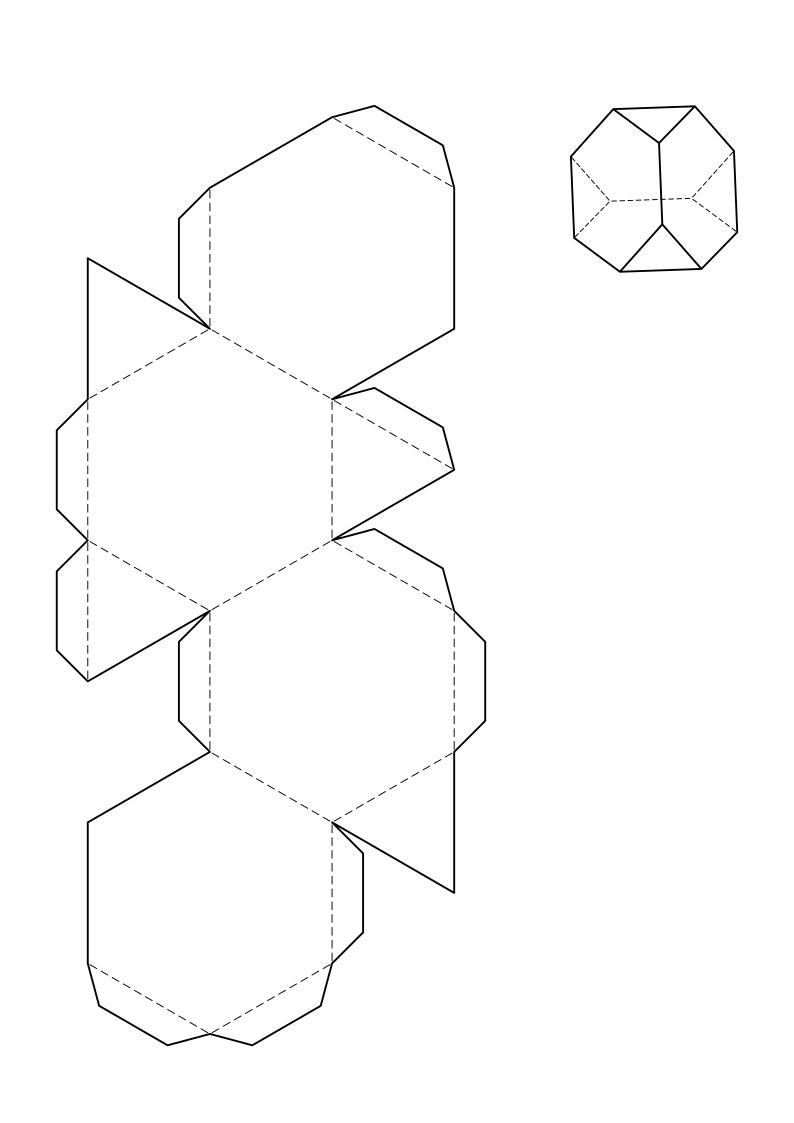
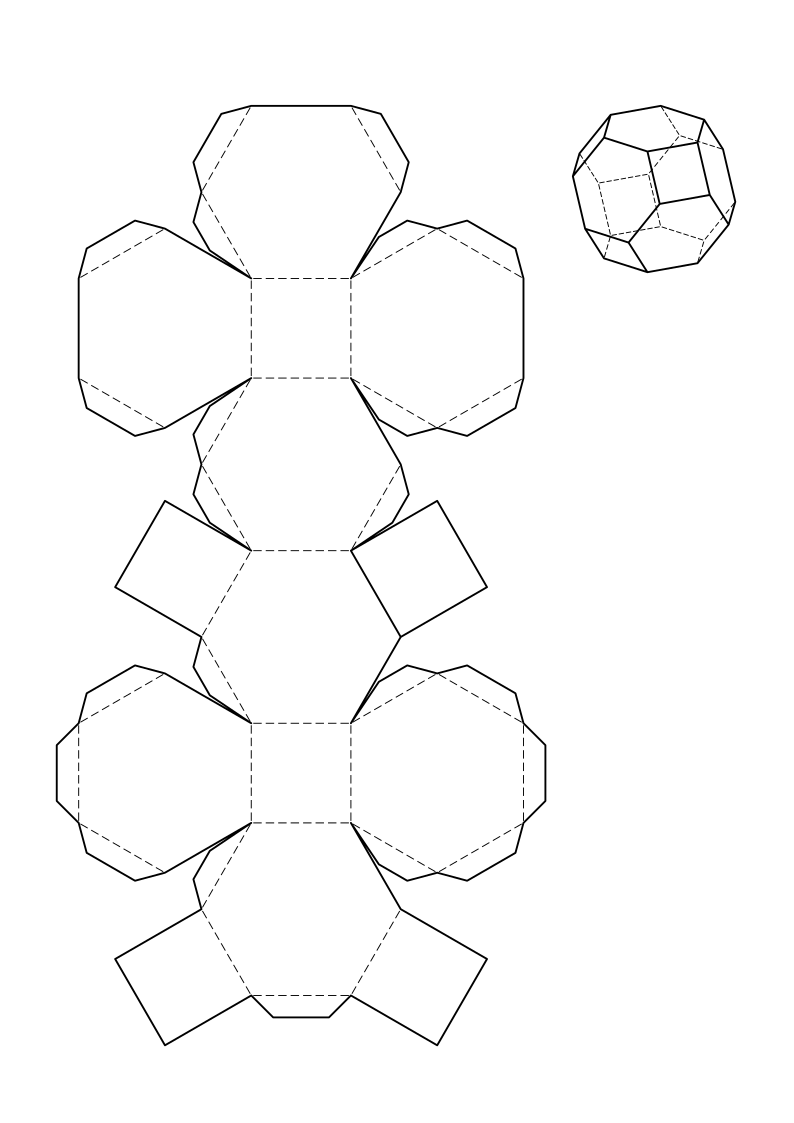
Copies of the truncated octahedron, with its 6 squares and 8 hexagons, can be packed together in space with no gaps at all, just as cubes can. Building a few of them and fitting them together shows it better than any drawing.